
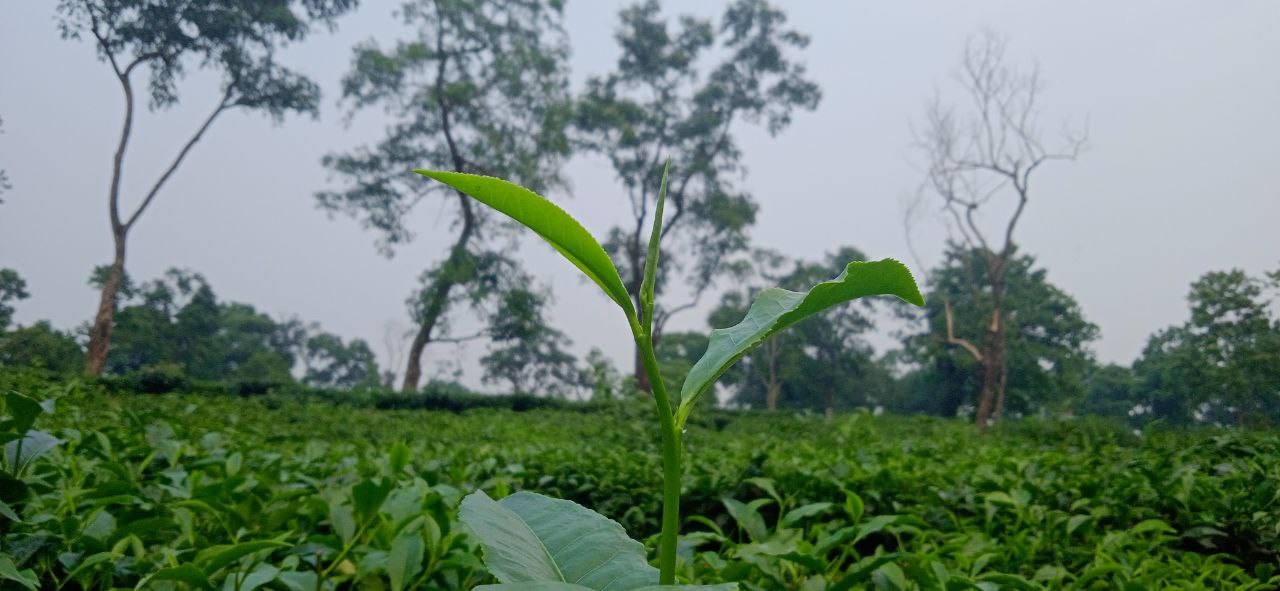
Assam tea is not just a drink; it’s a big part of India’s identity. Grown in the northeastern state of Assam, this tea is strong, deep in flavor, and really important for the country’s agriculture. In fact, Assam alone grows more than half of all the tea in India. It’s also the biggest tea-growing region in the whole world. I got curious about how all of this happened, so I explored everything—from how it was discovered to the problems it faces today.
How Assam Tea Was Discovered: A Wild Story
Back in 1823, a Scottish adventurer named Robert Bruce was trekking through the untamed forests of Assam when he stumbled upon something unexpected. The Singpho tribe, a local indigenous group, were brewing tea from wild plants—not for trade, but just as part of their daily life (imagine them casually sipping tea like it was no big deal).
Bruce, realizing the potential, told his brother Charles, who then passed the info to the British East India Company. Fast forward to the 1830s, and boom—the British started mass-producing tea across Assam.
Before this, China ruled the global tea trade with an iron grip. But Assam? It came in like a bold, malty underdog and changed the game forever.
The Taste – Why Assam Tea is Kind of a Legend
Assam tea tastes strong, bold, and a bit malty (which adults say is great for mornings). When you brew it, it gets this dark amber color that looks like melted sunshine. There’s something called the “Second Flush”—which is the tea picked in the early summer months—and it’s the best! It’s so good that it’s even protected by something fancy called a “Geographical Indication.” That means no one else in the world can say their tea is Assam tea unless it’s actually grown there.
Tea Plant Varieties – A Whole Tea Family Tree
The main tea plant in Assam is called Camellia sinensis var. assamica—yes, I memorized that! But wait, there are also tons of other varieties with superhero-style names like:
- TV1, TV2, TV3, TV4, TV6, TV7, TV11, TV12, TV13, TV15, TV17, TV21, TV33, TV35
- S3A3, Teenali 17, Panitola 126, T3E3, TV14, TV16
- TTRI 1, TTRI 2, TS 491, N436, TS 589, TSS1
- R 94, Rydak 2, TRA/DP36, TRA HK2214, JTCL 200, HC311, MM120
These are like different versions of the same plant—each with unique features, like taste, strength, or how well they grow in tricky weather.
Where is Assam Tea Grown? The Tea Map of Assam
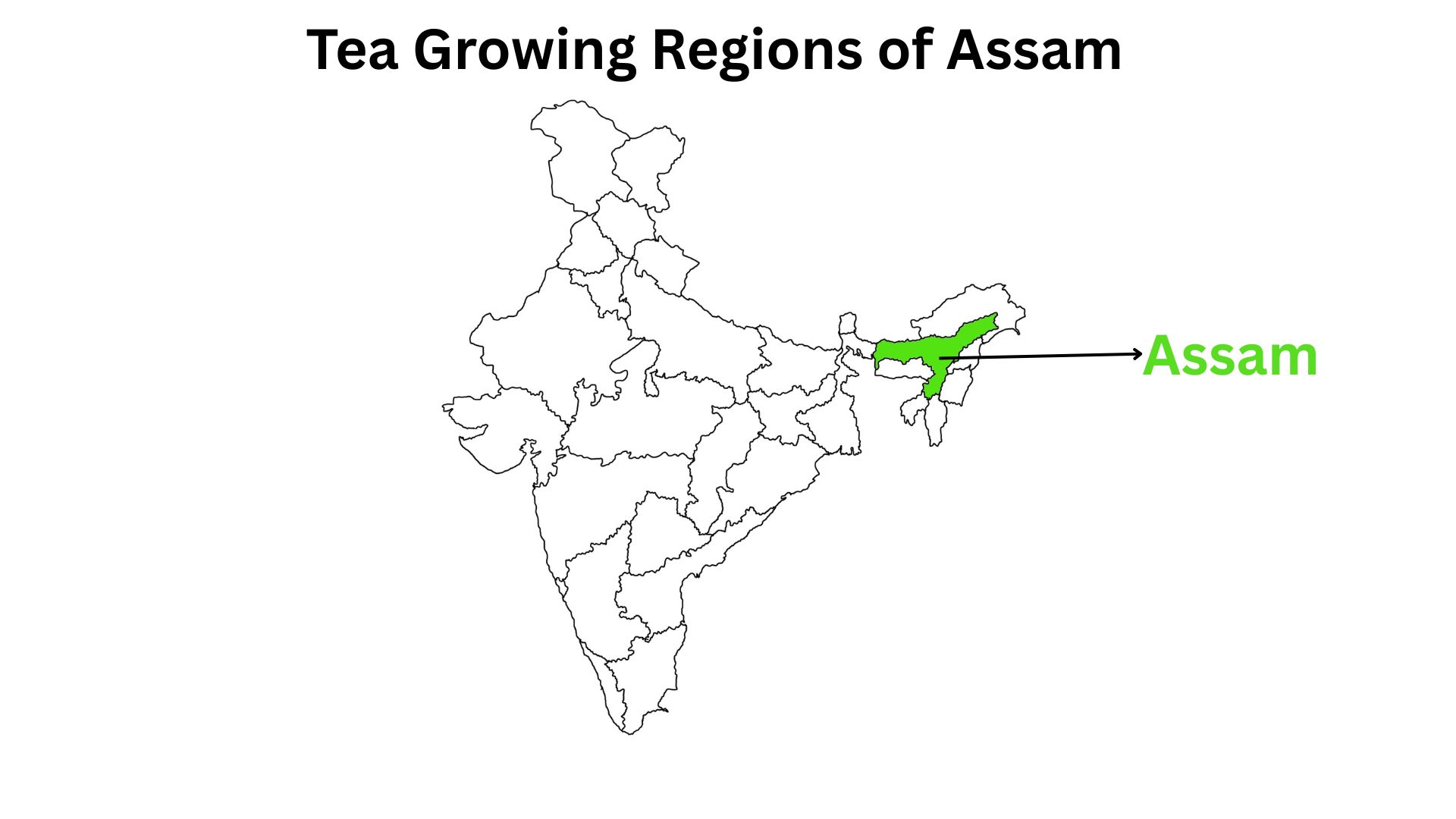
So here’s the list of tea-growing districts in Assam. It’s like a secret code, but I’ve cracked it!
- Bongaigaon
- Cachar
- Darrang
- Dibrugarh
- Jorhat
- Lakhipur
- Sibsagar
- Udalguri
- Tinsukia
- Biswanath Chariali
- Dhemaji
- Dhubri
- Goalpara
- Golaghat
- Karbi Anglong
- Nagaon
- Sonitpur
- Karimganj
- Kokrajhar
These places have the perfect combo of soil, rain, and sun for tea magic to happen.
Geography of Assam – Why It’s Perfect for Tea
Assam is like nature’s laboratory. It’s in northeast India and sits between the Himalayas and the Brahmaputra River. The Brahmaputra isn’t just a river—it’s the reason why the land here is so fertile.
The land is about 45–60 meters above sea level—not too high, not too low. The soil is a mix of red loam, lateritic, and alluvial types. Each of them adds something special to the tea plants. Also, Assam has a lot of forests like Kaziranga (home to the one-horned rhino), which means the biodiversity here is super rich.
Assam’s Weather
Let’s talk weather stats (yep, I love them):
- Summer (March–June): 25°C to 35°C
- Winter (Nov–Feb): 6°C to 25°C
- Rainfall: 1,500–3,000 mm per year
- Humidity: Very high (70–90%)
- Wind: Southwest monsoon brings the rain
Assam has what scientists call a “Tropical Monsoon Climate” (Köppen Classification). That means it has hot, wet summers and cooler, dry winters.
The climate of Assam is significantly influenced by both the south-west monsoon and the north-east monsoon, which bring distinct weather patterns to the region. The south-west monsoon (June to September) is the primary rainy season, bringing heavy rainfall. On the other hand, the north-east monsoon (October to December), also called the retreating monsoon, brings comparatively less rainfall. However, excessive rain often leads to severe flooding in the Brahmaputra Valley due to overflowing rivers. Additionally, excessive rain and waterlogging during this period can negatively impact tea plantations.
Climate Change
Climate change is like the villain in the tea world. Rising temperatures heat up the soil, which makes it dry faster. Then, when it finally rains, it rains so much that it washes away the good soil. Plus, dry weather increases pests! Tea gardens are now fighting these new problems, and it’s affecting how much tea they can grow.
Assam Tea Harvesting Seasons
Tea harvesting is seasonal and super sensitive to the weather. Here’s the timeline:
- First Flush (March–May): Light flavor, like a gentle hug
- Second Flush (June–July): The strongest and tastiest—this is the rockstar!
- Rainy Season (July–Sept): Bold tea, but not much flavor
- Autumn Flush (Oct–Nov): Deep and mellow, like a wise old cup
If the weather acts up (gets too cold or too rainy), the harvesting gets delayed or sped up. Tea gardens have to be like weather scientists to stay on track.
Types of Assam Tea
- Orthodox Tea: Hand-rolled, delicate, expensive, and used by tea lovers
- CTC Tea (Crush, Tear, Curl): Strong and common—used in daily chai
- Green Tea: Lighter and healthier
- White Tea: Very rare and gentle, like a tea whisper
- Black tea
Assam’s Tea Business Hotspots
If you want to find where Assam tea is bought and sold like gold, go here:
- Guwahati
- Dibrugarh
- Jorhat
- Tinsukia
Major Railway Stations
- Dibrugarh
- Guwahati
- Jorhat
- Tinsukia
Airports
- Lokpriya Gopinath Bordoloi International Airport (Guwahati) – Big one with international flights
- Dibrugarh Airport (DIB)
- Jorhat Airport (JRH)
- Silchar Airport (IXS)
Conclusion
Assam tea isn’t just a plant or a business—it’s like a living story. It has history, culture, science, and even drama (thanks to climate change). It’s one of India’s biggest treasures, and even though it faces challenges, I believe that if we use smart farming and climate solutions, Assam tea can keep being awesome.
FAQs
Q. Which is the largest tea-producing state in India?
Ans: Assam is the largest tea-producing state in India, contributing over 50% of the country’s total tea production.
Q. Why should black tea lovers worldwide try Assam tea?
Ans: Black tea lovers should try Assam tea because it has a bold, malty taste that wakes up your brain and comes from a place where tea grows strong and full of flavor.
Q. What are the different grades of Assam tea?
Ans: Assam tea comes in different grades like FTGFOP and GFOP for whole leaves, BOP and BP for broken leaves, and PD (Pekoe Dust) for tea bags, each giving a unique strength and flavor.

I’m Kanka Adhikary, a small tea grower from the picturesque Dooars region of India. With deep roots in tea cultivation, I share real-life experiences, traditions, and stories that reflect tea’s journey from leaf to cup.
I also hold a B.Sc. degree in Medical Physiology. Through this blog, I aim to bring you closer to the world of tea—its culture, craftsmanship, and the everyday life of those who grow it.