
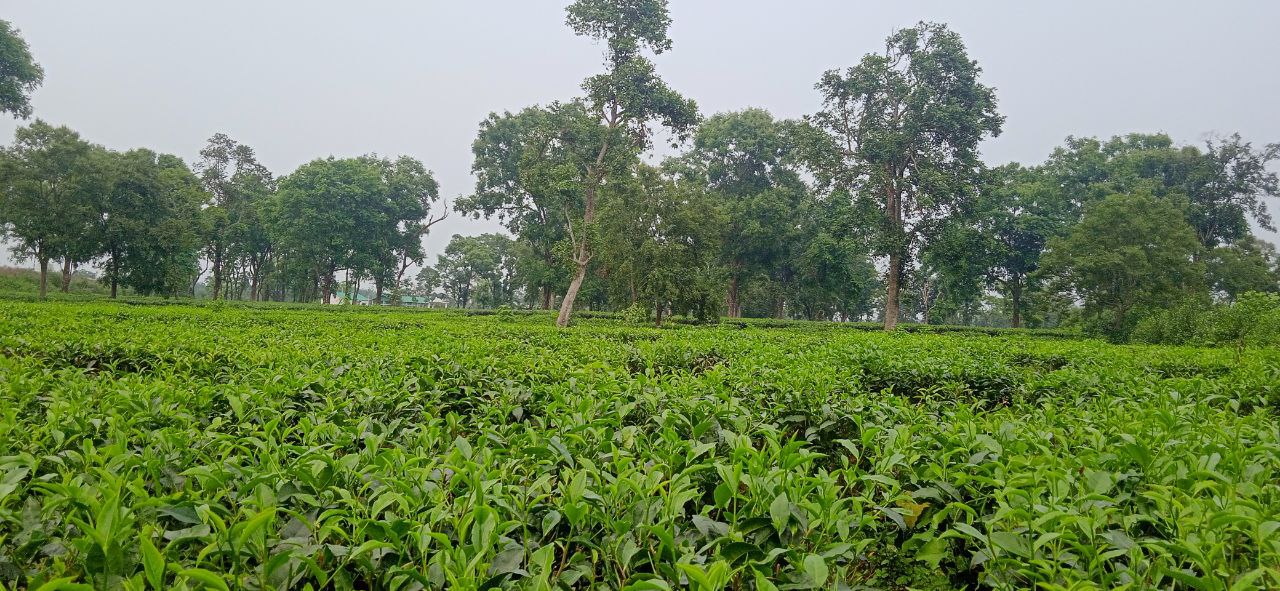
Sikkim tea, grown in the Himalayan heights of Northeast India, is cultivated in a clean and natural manner without the use of chemicals. The tea gardens there are really high—about 1,000 to 2,000 meters above sea level—and that height, along with the cool weather, helps the plants grow slowly and full of taste. When brewed, Sikkim tea turns a soft golden-yellow and has a light, slightly floral taste. It’s not as strong or bitter as Assam or Darjeeling tea—just smooth and pleasant.
History of Sikkim Tea
Sikkim tea began in 1969 with Temi Tea Estate – the first and largest tea garden in the state. In 2002, a smaller garden called Bermiok started. The big change came in 2005 when Temi switched to organic farming using Swiss IMO standards. By 2008, all Temi tea was certified organic. Then in 2016, the whole state of Sikkim became officially organic. Now all tea from Sikkim grows without chemicals, making it different from most other teas.
Climate of Sikkim Tea Region
Sikkim grows tea high up in the Eastern Himalayas, between 1,000 and 2,000 meters above sea level. The hilly landscape naturally drains well, and the slightly acidic, loamy soil packed with organic matter is perfect for tea plants. The climate stays cool (10°C-25°C) year-round – cold winters and mild summers help the tea grow slowly and develop good flavor. They get heavy monsoon rains (2,500-3,500mm yearly) from June to September, plus constant high humidity (70-90%) that keeps the leaves moist. This combination of elevation, soil and weather makes Sikkim’s tea unique.
Sikkim Tea Harvesting Seasons
Sikkim tea grows in four distinct seasons, each making different tasting tea.
- The First Flush (March-April) makes light, flowery tea with a golden color – it’s the freshest harvest.
- Second Flush (May-June) teas get stronger, with toasty flavors.
- During monsoon season (July-September), they produce more quantity – these teas taste mellow but full.
- The Autumn Flush (October-November) gives balanced tea with a hint of spice and smooth amber-colored brew.
Each season’s weather changes how the tea leaves grow, creating these different flavors.
Types and Grades of Sikkim Tea
Sikkim produces several types of tea:
- Black Tea: Most commonly made, with smooth to strong flavor depending on the flush.
- Green Tea: Light and floral, known for its health benefits and refreshing taste.
- White Tea: Made from young buds and new leaves, delicate and rare.
- Oolong Tea: Partially oxidized, with fruity and earthy notes.
Grades:
- Whole Leaf
- Broken Leaf
- Fannings
- Dust
Most premium teas from Sikkim are in the whole and broken leaf categories.
Sikkim Tea Growing Regions
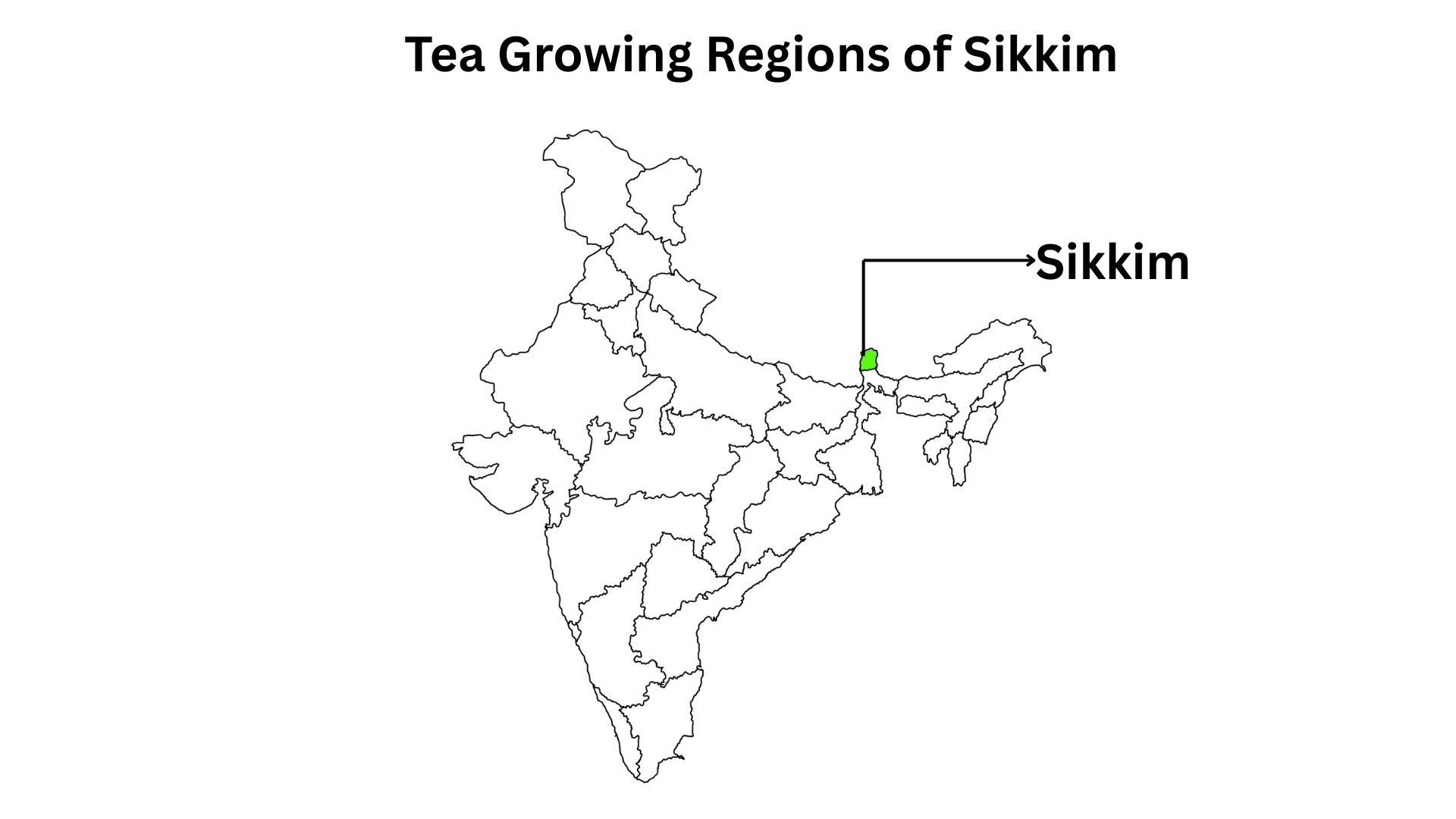
Tea cultivation in Sikkim is mainly concentrated in the East and South districts of the state. The region’s high altitude, clean environment, and organic practices make it ideal for tea growing.
Major Tea Estate:
Temi Tea Estate (South Sikkim): Located on the slopes of the Tendong Hill, Temi is well-known for producing high-quality organic tea. It covers around 177 hectares and is the heart of Sikkim’s tea industry.
Small Tea Growers:
Besides the big Temi Tea Estate, lots of small farmers in South and East Sikkim grow tea too. Together, these big and small producers are helping shape the identity of Sikkim as a producer of fine, organic Himalayan tea.
Business and Transport
Important Business Centers:
- Gangtok – The capital of Sikkim and key hub for trade.
- Siliguri – Major tea trade center connecting Sikkim with other parts of India.
- Kolkata– Major tea auction center
Nearest Railway Stations (from Terai-Dooars & Sikkim region):
- New Jalpaiguri (NJP)
- Siliguri Junction
- Sevoke Road
Nearest Airports to Sikkim:
- Pakyong Airport – Located in Gangtok, Sikkim (domestic flights only).
- Bagdogra Airport – Located in Siliguri, West Bengal (domestic and international flights).
Conclusion
Sikkim Tea is a fine example of how small-scale, organic farming can produce world-class tea. From the misty hills of the Eastern Himalayas to a cup on your table, it carries the essence of nature, tradition, and careful handcrafting. For tea lovers, Sikkim Tea is more than a beverage—it’s an experience of purity and peace.

I’m Kanka Adhikary, a small tea grower from the picturesque Dooars region of India. With deep roots in tea cultivation, I share real-life experiences, traditions, and stories that reflect tea’s journey from leaf to cup.
I also hold a B.Sc. degree in Medical Physiology. Through this blog, I aim to bring you closer to the world of tea—its culture, craftsmanship, and the everyday life of those who grow it.