
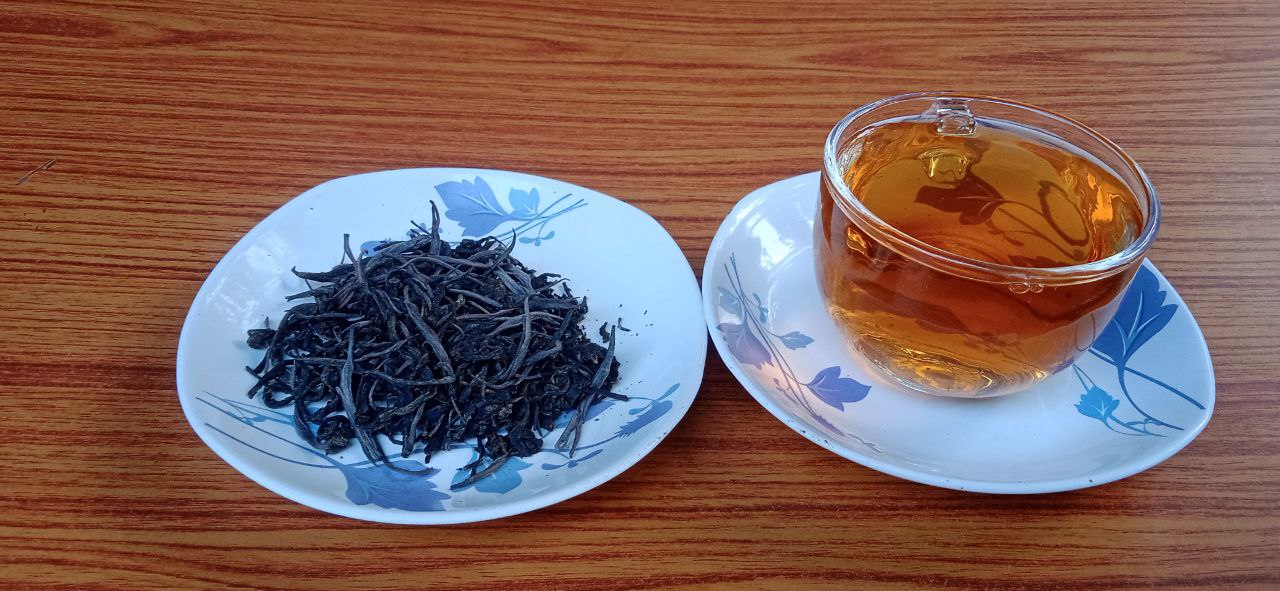
Orthodox tea refers to a traditional, artisanal method or hand-crafted methods of tea production that prioritizes the preservation of the tea leaf’s integrity, natural flavors, and beneficial compounds. The term “orthodox” specifically describes the processing method rather than a particular flavor profile or tea type. Unlike machine-produced alternatives, Orthodox tea is carefully hand-processed and rolled, resulting in whole or partially intact leaves that deliver a more nuanced, complex, and refined drinking experience.
This production style stands in distinct contrast to the more industrialized CTC (Crush, Tear, Curl) method, which uses mechanical processing to break leaves into small, uniform pieces primarily used in tea bags for quick brewing and strong color. Orthodox processing keeps the tea leaf’s shape and natural oils, which helps the tea taste better, smell stronger, and stay good even after brewing it a few times.
From Garden to Cup: Orthodox Tea Processing Steps
- Plucking – The top two leaves and a bud are picked by hand because they give the best quality tea.
- Withering – The leaves are laid out to wilt slightly, which allows some of the moisture to evaporate.
- Rolling – The soft leaves are rolled.
- Oxidation– The rolled leaves are left to react with air so they develop their flavor and color.
- Drying (Firing) – The oxidized leaves are dried at the right temperature to stop the changes and keep the flavor.
- Sorting and Grading – The dried leaves are separated by size and quality to organize them into grades.
- Packing – The finished tea is packed in a way that keeps it fresh and keeps its taste and smell safe.
Aroma and Taste
Orthodox teas can taste different depending on where and how they’re made—some might be floral or fruity, like Darjeeling with its muscatel note, and others like Assam are more strong and malty.
Types and Varieties
Black Orthodox Tea is fully oxidized and strong, like Darjeeling or Assam; Green Orthodox Tea is not oxidized and tastes fresh, like Indian green teas; Oolong Orthodox Tea is partly oxidized with mixed flavors, like Nilgiri Oolong; and White Orthodox Tea is barely processed and light, like Silver Needle.
Orthodox Tea in India
India is known for making high-quality Orthodox teas, with different regions being famous for their own special kinds.
Assam Orthodox Tea
Assam, a state in the northeast of India, makes strong Orthodox teas that have a rich, malty taste and a bright copper color, and they’re known for flavors like malt, honey, and a little bit of spice; the tea plants grow in the Brahmaputra Valley, where the weather and soil help give the tea its special qualities.
Darjeeling Orthodox Tea
Darjeeling Orthodox tea comes from the Himalayan foothills and is known for being one of the most valued teas globally. It’s called “orthodox” because of how it’s made—not by machines, but through careful hand-processing. The time of year when the tea is picked changes its taste. The first flush, harvested in spring, has a light, flowery flavor with a slight sharpness, while the second flush, picked in summer, develops a muscatel taste, which means it’s naturally sweet and kind of like grapes. That’s one reason why this tea stands out and costs more. The special growing conditions of Darjeeling, including its high altitude, cool climate, and misty slopes, make this tea one of the most unique in the world.
Nilgiri Orthodox Tea
Nilgiri Orthodox tea comes from the Blue Mountains in southern India and has a fresh, slightly fruity taste. The tea usually has a golden-amber color and is clear with a smooth finish. Though not as well-known as Darjeeling or Assam, Nilgiri Orthodox teas are still valued for their good quality and balanced flavor.
Chemical Composition
Orthodox tea has different natural compounds that provide various benefits: polyphenols like catechins, theaflavins, and thearubigins, which are antioxidants; caffeine, which acts as a natural stimulant; L-theanine, an amino acid that helps calm the mind; fluoride and minerals, which are good for teeth and bones; and essential oils that affect the tea’s aroma and taste.
Preparation and Brewing
- Water Temperature: 80°C–90°C.
- Steeping Time: 3–5 minutes (adjust for taste).
- Tea-to-Water Ratio: 1 tsp per 350ml
Can You Add Milk and Sugar?
Some types of Orthodox tea go well with milk and sugar, like Black tea from Assam, which many people drink that way. But other kinds—like Green, Oolong, or White tea—are better without milk because it can change their original taste. If someone wants to make the tea a bit sweet, using raw honey or jaggery is a better idea than regular sugar.
Conclusion
Orthodox tea is made using old methods that focus on careful processing and good flavor. People who really enjoy tea and even those who just drink it sometimes can try different types to see what they like. Teas from places like Darjeeling and Assam are all made in their own way, and drinking them shows how much work and tradition go into every cup.

I’m Kanka Adhikary, a small tea grower from the picturesque Dooars region of India. With deep roots in tea cultivation, I share real-life experiences, traditions, and stories that reflect tea’s journey from leaf to cup.
I also hold a B.Sc. degree in Medical Physiology. Through this blog, I aim to bring you closer to the world of tea—its culture, craftsmanship, and the everyday life of those who grow it.