
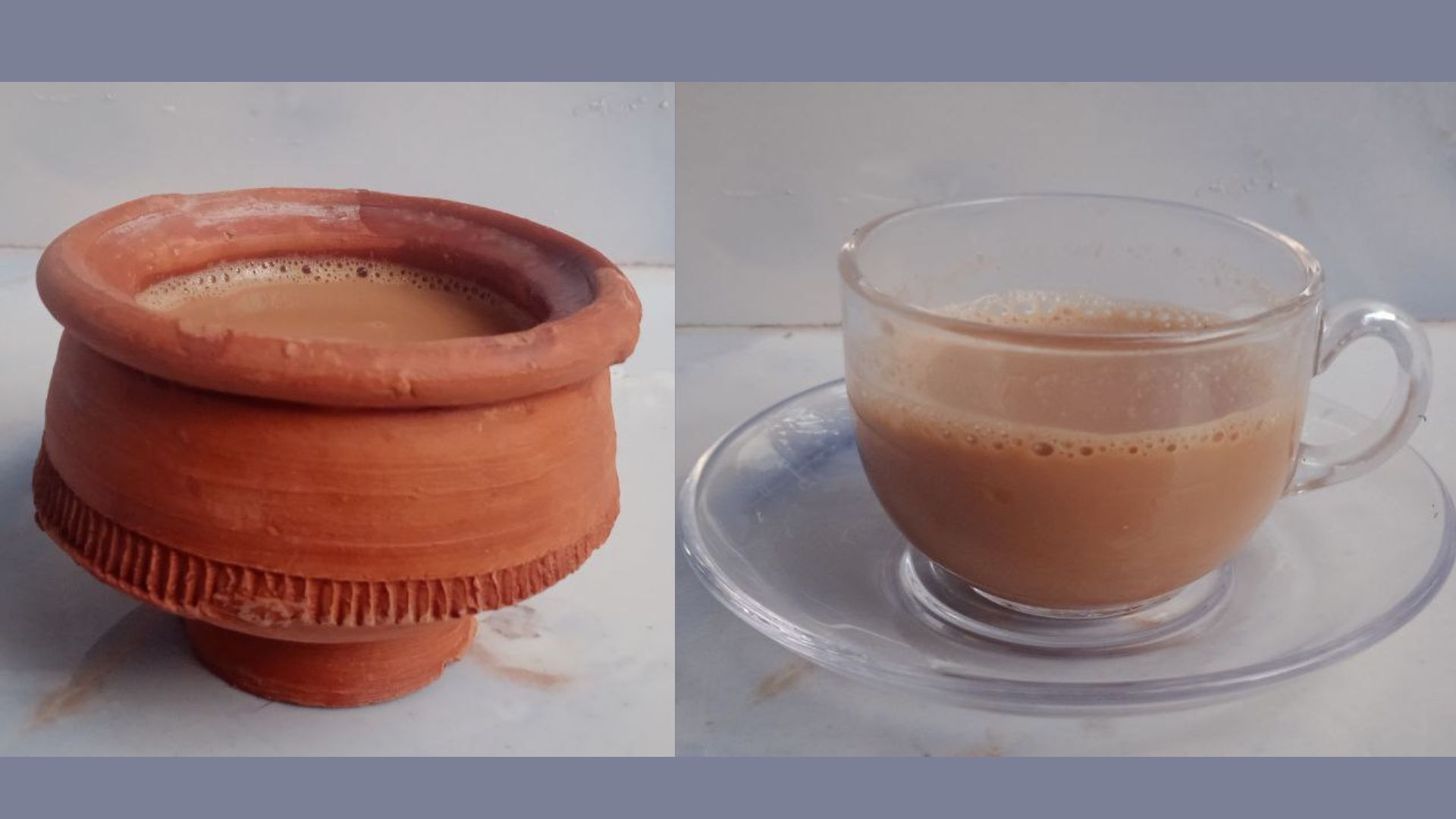
Milk tea is a drink people everywhere like because it mixes the strong taste of tea with the smooth feel of milk. You can have it hot or cold, with sugar or without, and there are so many kinds depending on where you are from or what you like. In this article, I will talk about the types of milk tea, the ingredients used, how it began, how to make it, and how it can affect your health.
Different Types of Milk Tea
Milk tea is not just one kind of drink-it is a group of teas made with milk in different ways depending on where they come from, and some of the most well-known types are:
- Masala Chai (India) :- A mix of black tea, milk, and common spices like ginger, cinnamon, cardamom, and cloves that many people in India drink every day.
- Hong Kong Milk Tea :- Made by mixing strong black tea with evaporated or condensed milk, this tea is known for being rich and smooth to drink.
- Bubble Tea or Boba Tea (Taiwan) :- A cold milk tea that’s sweet, sometimes mixed with fruit or syrup, and has chewy tapioca pearls, and it’s widely liked by younger people around the world.
- British Milk Tea :- Regular English breakfast tea with some milk added, often drunk during afternoon tea or with breakfast.
- Thai Milk Tea :- An iced tea that’s orange, made with spices, sugar, and condensed milk, and has a sweet, creamy taste.
- Hokkaido Milk Tea :- This Hokkaido milk tea from Japan uses their super creamy milk, making it smooth, just sweet enough, and seriously cozy to drink.
- Okinawa Milk Tea (Japan) :- This Japanese version mixes classic milk tea with roasted sugar, made by brewing tea leaves, adding Okinawan sugar syrup, and then mixing in milk, resulting in a dark, caramel-flavored drink that balances the bitterness of black tea with the sweetness of brown sugar.
- Tibetan Butter Tea (Po Cha) :- A different kind of tea, mixed with yak butter and milk, popular in the Himalayas.
Ingredients and Variations
Milk tea is made by using regular tea leaves or tea bags (mostly black tea or CTC), then adding milk which can be from animals or plants, and finally a sweetener if someone wants it, like sugar, honey, jaggery, or stevia.
Popular Variations
You can mix your tea with different milks (whole, skim, soy, almond, oat), sweeten it with sugar, honey, or maple syrup, and add flavors like vanilla or matcha. For extra fun, toss in boba, jelly, or a bit of whipped cream.
Can This Tea Be Made Without Sugar?
Milk tea doesn’t always need sugar, and lots of people now make it without adding any, especially if they want to be healthy; you can skip sugar by using teas that taste a little sweet on their own like some oolongs or black teas, or by picking plant-based milks like oat or coconut that already have a bit of natural sweetness, or you can use sugar substitutes like stevia or erythritol, and even spices like cinnamon, cardamom, or vanilla can help it taste better without actual sugar, so making it at home means you can choose what goes in and still enjoy it the way you like.
Milk Tea Recipe (Basic Homemade Version)
| Ingredient | Amount |
| Water | 1 cup |
| Black tea leaves / Tea bag | 1–2 tsp or 1 tea bag |
| Milk (any variety) | ½ cup |
| Sweetener (optional) | To taste |
Instructions
| Steps |
| 1. Boil the water. |
| 2. Add tea and simmer for 2–3 minutes. |
| 3. Add milk and simmer 2–3 more minutes. |
| 4. Add sweetener if you want. |
| 5. Strain and serve hot or pour over ice. |
Cultural and Historical Background
- In India, chai became widely popular, with vendors called chaiwalas selling it on street corners.
- In Britain, milk was added to tea in the 17th century to protect fine china and improve flavor.
- Hong Kong adapted this British tradition by using evaporated milk during colonial rule.
- Taiwan introduced tapioca balls in the 1980s, creating the bubble tea trend.
- In Tibet and Mongolia, butter tea is essential for warmth and energy in high-altitude regions.
Each version of milk tea has a unique story tied to trade, colonization, innovation, and community.
Health Benefits
- Antioxidants: Black and green tea contain compounds that may reduce oxidative stress.
- Improved digestion: Ingredients like ginger and cardamom in chai support digestive health.
- Mental alertness: Caffeine in tea can improve focus and reduce fatigue.
- Bone health: Dairy milk contains calcium and vitamin D (if fortified).
- Cardiovascular Support: Some research suggests regular tea consumption may support heart health, while milk provides protein and essential nutrients.
Medical Disclaimer: This article is for informational purposes only and not medical advice. Consult a healthcare professional before making dietary changes.
Conclusion
Milk tea comes in many forms – it can be traditional or trendy, sweet or spiced, and served hot or cold. Whether you’re having a warm cup of masala chai on a rainy day or enjoying a cold bubble tea on a hot afternoon, milk tea is more than just a drink; it’s part of culture and comfort. Like with anything, it’s important to enjoy it in moderation. By changing the ingredients, like using less sugar or different types of milk, milk tea can fit into a healthy lifestyle. So, make a cup, take a break, and let milk tea bring a bit of warmth to your day.

I’m Kanka Adhikary, a small tea grower from the picturesque Dooars region of India. With deep roots in tea cultivation, I share real-life experiences, traditions, and stories that reflect tea’s journey from leaf to cup.
I also hold a B.Sc. degree in Medical Physiology. Through this blog, I aim to bring you closer to the world of tea—its culture, craftsmanship, and the everyday life of those who grow it.