
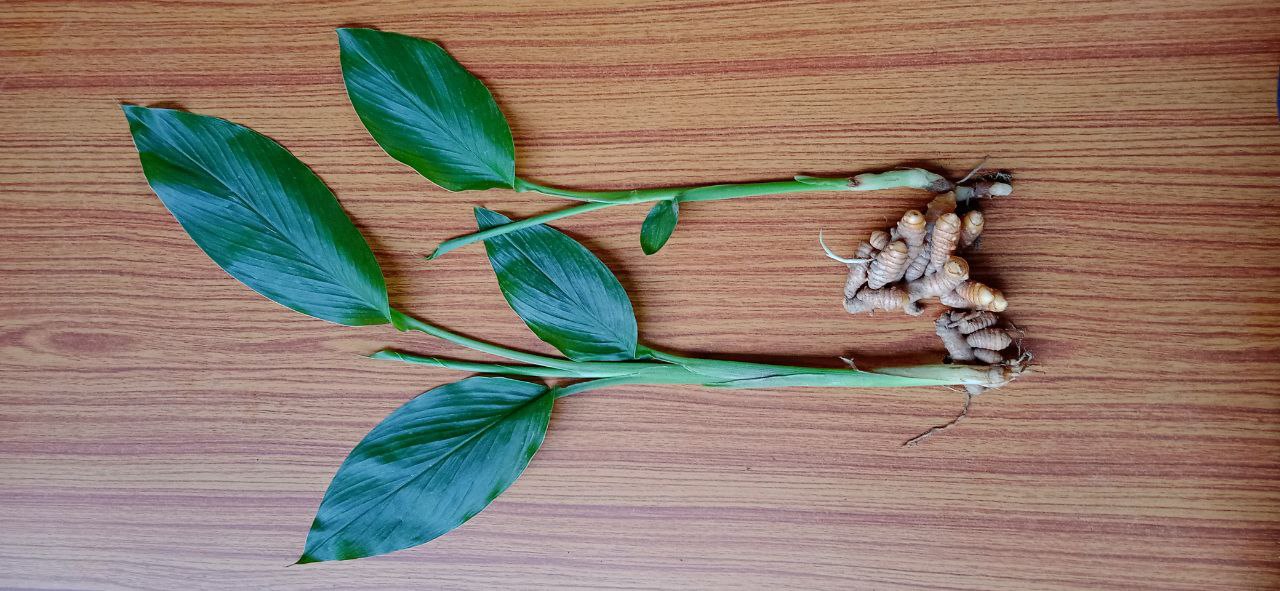
Turmeric tea is made by boiling turmeric in water, and people have used it for a long time because they think it helps with problems like colds, inflammation, and digestion. The yellow color comes from curcumin, which is found in turmeric and is believed to be the reason for health benefits. It is often called “Golden Tea” because of that color. Even though it started a long time ago in traditional medicine, people still drink it today because it might support health in a natural way.
Cultural Significance
- In India, turmeric became important as Hinduism and Buddhism spread because its yellow color was used to dye the robes of monks and priests, which stood for purity and spiritual meaning.
- During the Middle Ages, traders carried turmeric to Europe, where it was used for its color and flavor, and was also believed to have health benefits.
- The haldi ceremony is an Indian hindu wedding tradition where family and friends smear turmeric paste on the bride and groom—it’s supposed to clean them up, bring good vibes, and kick off the marriage with some luck.
Traditional Medicinal Uses
Turmeric (Curcuma longa) has been used in Ayurvedic and traditional Chinese medicine for thousands of years. It’s found in South Asia, mainly India, and is known for its ability to reduce inflammation, fight harmful molecules, and assist with healing. Using turmeric in hot water makes sense because it’s been used both in cooking and as medicine for so long. In the past, healers would mix it with black pepper and fat, like ghee or milk, to make it work better in the body. Turmeric tea is popular in cafes and homes all over the world.
What Is Turmeric Tea?
Turmeric tea is a herbal drink made by boiling turmeric root or powder in water. Unlike true teas like green, black, or oolong, which come from the Camellia sinensis plant, turmeric tea doesn’t have any caffeine and is completely herbal. It usually doesn’t contain tea leaves unless it’s mixed with other kinds of tea. You can follow some recipes that add spices like ginger, cinnamon, or black pepper to make the flavor stronger and increase the health benefits.
Ingredients and Variations
Basic Ingredients:
- 4 teaspoon turmeric powder or 4-inch fresh turmeric root (sliced or grated)
- 8 cups water
- One teaspoon black pepper (optional but recommended)
- Sweetener like honey or jaggery (optional)
Turmeric Tea Recipe
Turmeric tea is simple to prepare and doesn’t take much time. You start by boiling water in a pan, then add turmeric, black pepper, and ginger. After that, lower the heat and let it simmer for about 5 to 10 minutes so the ingredients mix well. Once that’s done, strain it into a mug, and if you want, you can add a bit of honey or milk before giving it a good stir and drinking it warm.
Variations
Turmeric tea has a few versions depending on what ingredients you prefer. If you mix it with milk—like almond, coconut, or oat—you get Golden Tea. Masala turmeric tea includes extra spices such as cinnamon, cloves, and cardamom. For a sour taste, some people add lemon or orange to make citrus turmeric tea. If you want it a bit spicier and even better for the body, adding fresh ginger gives you ginger turmeric tea.
Health Benefits of Turmeric Tea
- The bioactive component curcumin, present in turmeric, has anti-inflammatory properties.
- Turmeric tea is rich in antioxidants that neutralize free radicals and help prevent oxidative stress.
- Turmeric tea helps strengthen your immune system.
- Turmeric tea is highly recommended for problems like cold, cough, and sneezing.
Medical Disclaimer: This article is for informational purposes only and not medical advice. Consult a healthcare professional before making dietary changes.
Conclusion
Turmeric tea has been around for a long time, and people still drink it today because they think it helps keep the body healthy. You can make it in different ways—just plain, or by adding things like spices, milk, or lemon, depending on what you like. It’s not hard to make at home, and even though it comes from old traditions, it still makes sense for how people live now. Having a cup every day is a small habit that can be good for you without needing much effort.

I’m Kanka Adhikary, a small tea grower from the picturesque Dooars region of India. With deep roots in tea cultivation, I share real-life experiences, traditions, and stories that reflect tea’s journey from leaf to cup.
I also hold a B.Sc. degree in Medical Physiology. Through this blog, I aim to bring you closer to the world of tea—its culture, craftsmanship, and the everyday life of those who grow it.