
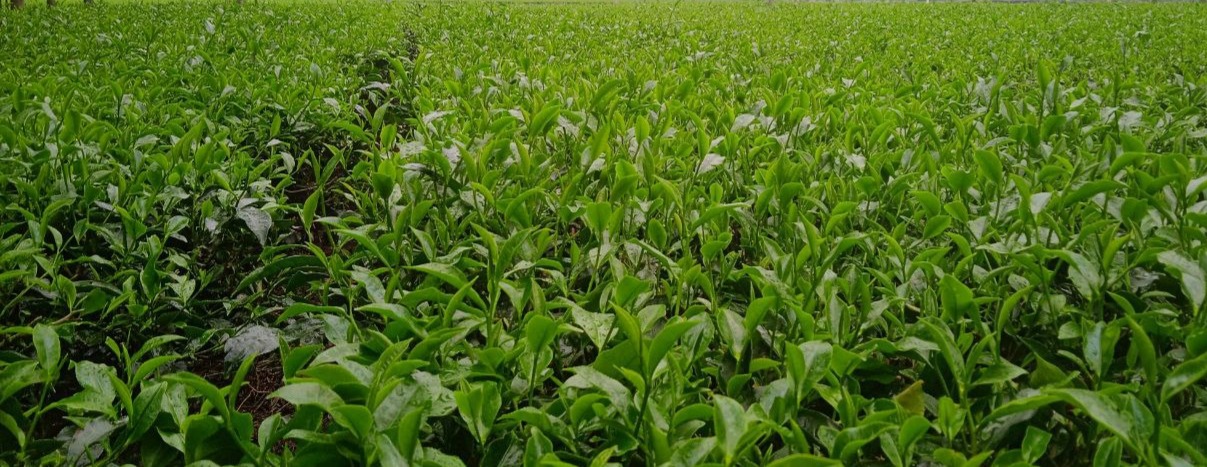
Kangra tea is this amazing kind of tea that grows in the Kangra Valley in Himachal Pradesh, India, and honestly, everything about it makes sense—from where it’s grown to why it tastes so different. The valley has this perfect combo of altitude, cool climate, and misty air that gives the tea leaves a really distinct flavor and smell, kind of floral and refreshing, not too strong like Assam tea but still bold in its own way. Kangra Tea has been around since the British times, like way back in the 1800s, and even now, people all over the world are fans of it. It’s not just about drinking tea—it’s a part of history shaped by nature and tradition.
History of Kangra Tea
The story of Kangra Tea begins in the 1800s when European planters introduced tea farming to the Kangra Valley. In 1849, a British botanist named Dr. Jameson determined that Kangra was the perfect location for growing tea. He recognized that the climate, altitude, and soil conditions were ideal for cultivating Camellia sinensis var. sinensis, the scientific name for the tea plant. Kangra Tea became so exceptional that it won a gold medal at the London Exhibition in 1886.
GI tag and Kangra tea
In 2005, Kangra Tea received the Geographical Indication (GI) tag from India, officially recognizing its unique qualities and linking it to its place of origin. This designation helps preserve the integrity of the tea and ensures that only tea grown and processed in the designated Kangra region can be marketed under its name.
In 2023, Kangra Tea earned special GI status from the European Union! Now the whole world has to recognize its unique Himalayan flavor and protect its name from copycats. This isn’t just about tea – it’s about preserving India’s amazing farming heritage and showing why this mountain-grown treasure deserves global respect.
Geography of Kangra Region
The Kangra Valley offers ideal tea-growing conditions due to its location at the foothills of the Dhauladhar mountain range. Kangra’s podzolic gray soil, with its slightly acidic pH range of 5.4 to 7, creates perfect conditions for tea cultivation.
Climate of Kangra Region
Kangra falls under the Cwb (subtropical highland) category of Köppen’s climatic classification.
- Temperature: Ranges from 8°C in winter to 30°C in summer; ideal cropping temperatures are between 22°C–26°C.
- Rainfall: Annual precipitation of 250–300 cm, mostly during monsoon months (June–September).
Tea Plant Variety
Kangra Valley mostly grows Camellia sinensis, but also cultivates other varieties – AV 2, TS 569, PB 312, CP 1, Sundaram, and RR 14. All these varieties are perfect for the valley’s mountain climate and slightly acidic soil, which helps them grow so well here.
Varieties and Grades of Kangra Tea
- Varieties: Green tea, black tea, white tea, CTC tea and oolong tea etc.
- Grades: Categorized by leaf size, including whole leaf, broken leaf, and fannings
Tea Growing regions
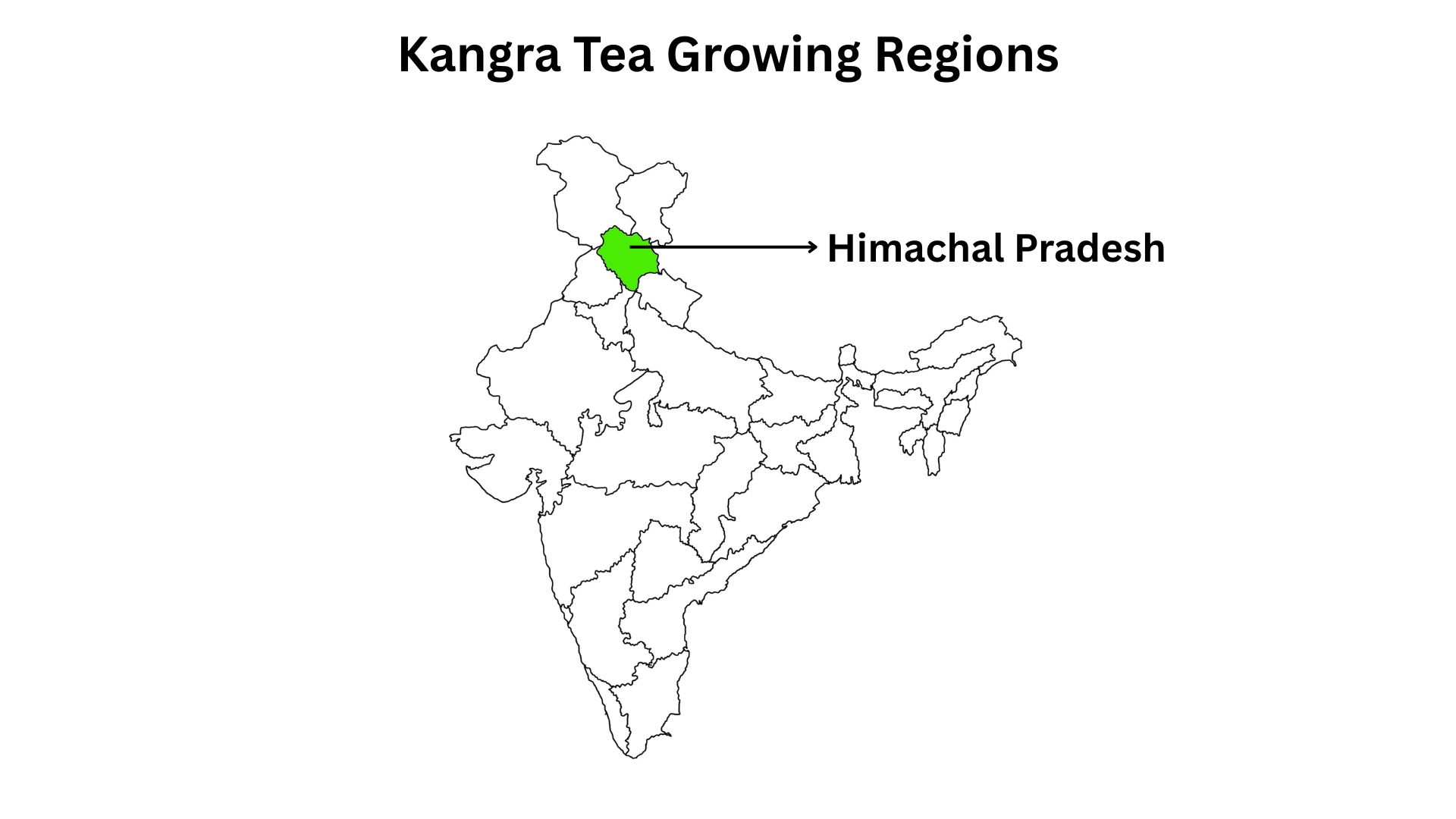
- Kangra
- Mandi
- Chamba
There are various other parts of Himachal Pradesh that produce good quality tea.
Conclusion
Kangra Tea is part of the culture and environment of the Himachal hills. With its unique taste health benefits and growing popularity Kangra Tea continues to represent the rich heritage of Indian tea.

I’m Kanka Adhikary, a small tea grower from the picturesque Dooars region of India. With deep roots in tea cultivation, I share real-life experiences, traditions, and stories that reflect tea’s journey from leaf to cup.
I also hold a B.Sc. degree in Medical Physiology. Through this blog, I aim to bring you closer to the world of tea—its culture, craftsmanship, and the everyday life of those who grow it.