
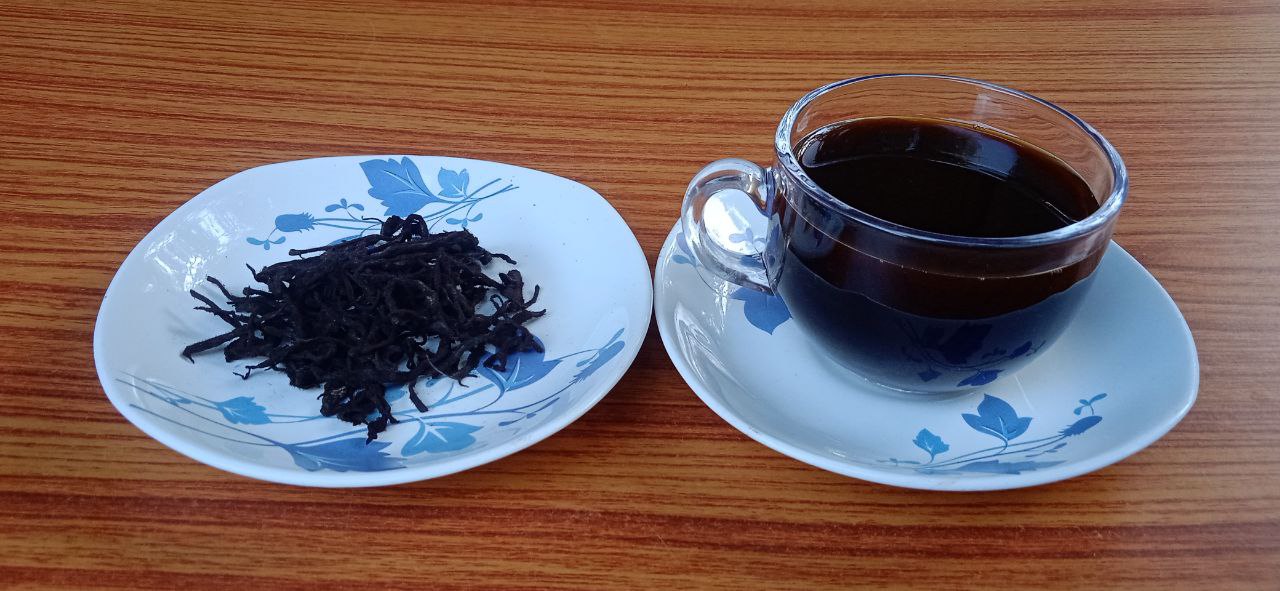
Black tea is one of the most commonly drunk teas in the world. It goes through a process called full oxidation, where the leaves are exposed to air until they turn dark and get a strong taste. It first came from China but is now a regular drink in many places like India, Sri Lanka, and the UK. People drink it in different ways—some just with water, some add milk, and sometimes it’s mixed with other things to make blends. India now makes about half of all the black tea in the world, and Sri Lanka along with some African countries also grow a lot of it. There are many types like English Breakfast, Earl Grey, Darjeeling, and Assam, and each has its own kind of taste, so people can pick what suits them.
Tea Processing
The journey of black tea begins in green tea gardens and ends in your cup after going through several careful steps.
Plucking – The top two leaves and a bud are picked by hand because that part of the plant gives the best quality tea.
Withering – Leaves are spread out to reduce moisture content, making them pliable for rolling.
Rolling – Leaves are twisted and rolled to rupture cell walls, initiating oxidation.
Fermentation (Oxidation) – This important step lets enzymes react with oxygen, turning the leaves dark brown or black and creating the flavor. Even though it’s called fermentation, it’s actually enzymatic oxidation, not the type of fermentation that involves microbes. The rolling of the leaves breaks their cells, which lets the enzymes mix with other compounds in the leaves, starting the oxidation process. The main chemical change happens when catechins turn into theaflavins and thearubigins, which gives black tea its color, body, and taste.
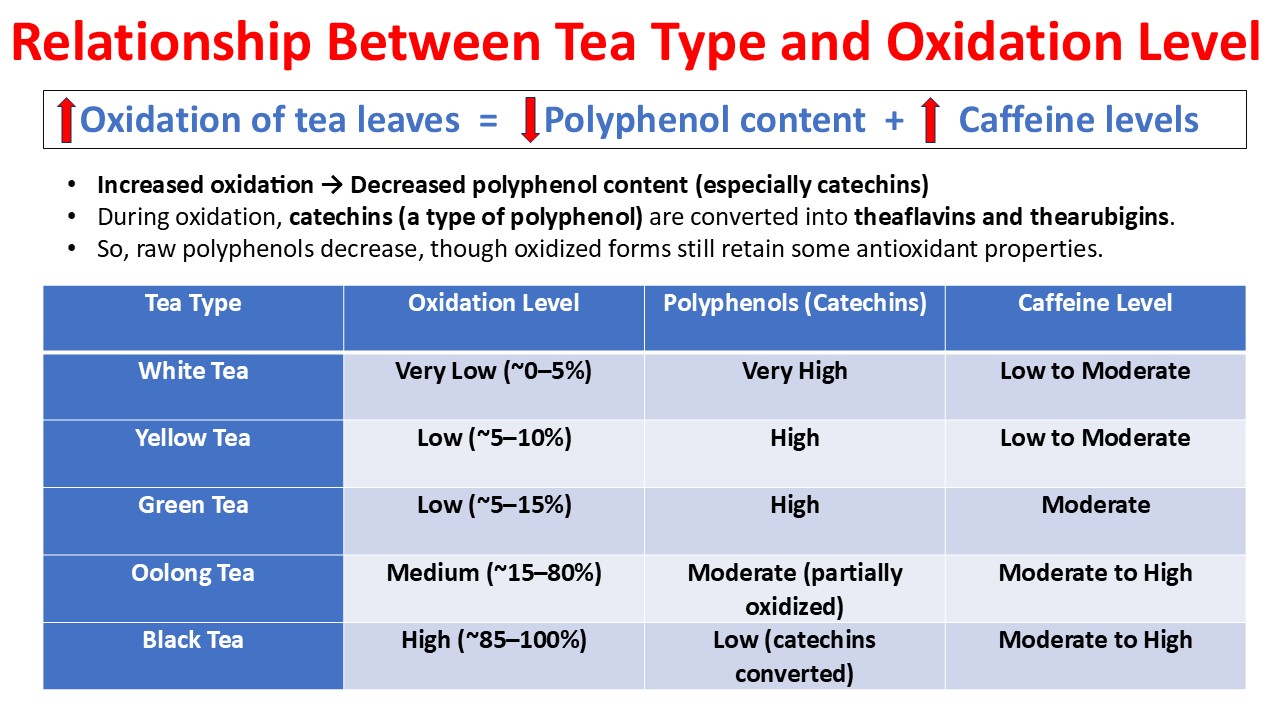
Drying/Firing – The leaves are heated to stop the oxidation process and keep the flavor intact.
Sorting and Grading – The leaves are divided by their size and quality to make sure they are all up to the right standard.
Packaging – Keeps the smell and taste fresh till you brew it.
Aroma and Taste Profile
Black tea can taste different based on where it’s grown and how it’s made—like Assam tea from India tastes malty and strong, Darjeeling tea from India is more fruity and sweet, Lapsang Souchong from China has a smoky and earthy taste, and Ceylon tea from Sri Lanka is known for being floral and a bit citrusy; the smell can also change, from something like honey or wood to sometimes having a bit of spice or chocolate in it.
Types and Varieties of Black Tea
| Type | Name | Taste |
| Indian Black Tea | Assam Black Tea | Strong, malty, good with milk |
| Darjeeling Black Tea | Light, muscatel, called “Champagne of Teas” | |
| Nilgiri Black Tea | Bright, fragrant, brisk | |
| Chinese Black Tea | Keemun Black Tea | Wine-like, a bit smoky |
| Lapsang Souchong Black Tea | Smoky, dried over pine fire | |
| Other Varieties | Ceylon (Sri Lanka) Black Tea | Citrusy, bold |
| Earl Grey Black Tea | Tastes like bergamot (a citrus) | |
| English Breakfast Black Tea | Strong mix, good with milk |
India’s Black Tea
India makes a lot of tea and is the second biggest tea producer in the world, especially known for Assam, Darjeeling, and Nilgiri types; during British rule, Indian black tea became popular around the world, and today, many people in India drink chai every day, which is black tea boiled with milk, sugar, and spices.
Chemical Composition of Black Tea
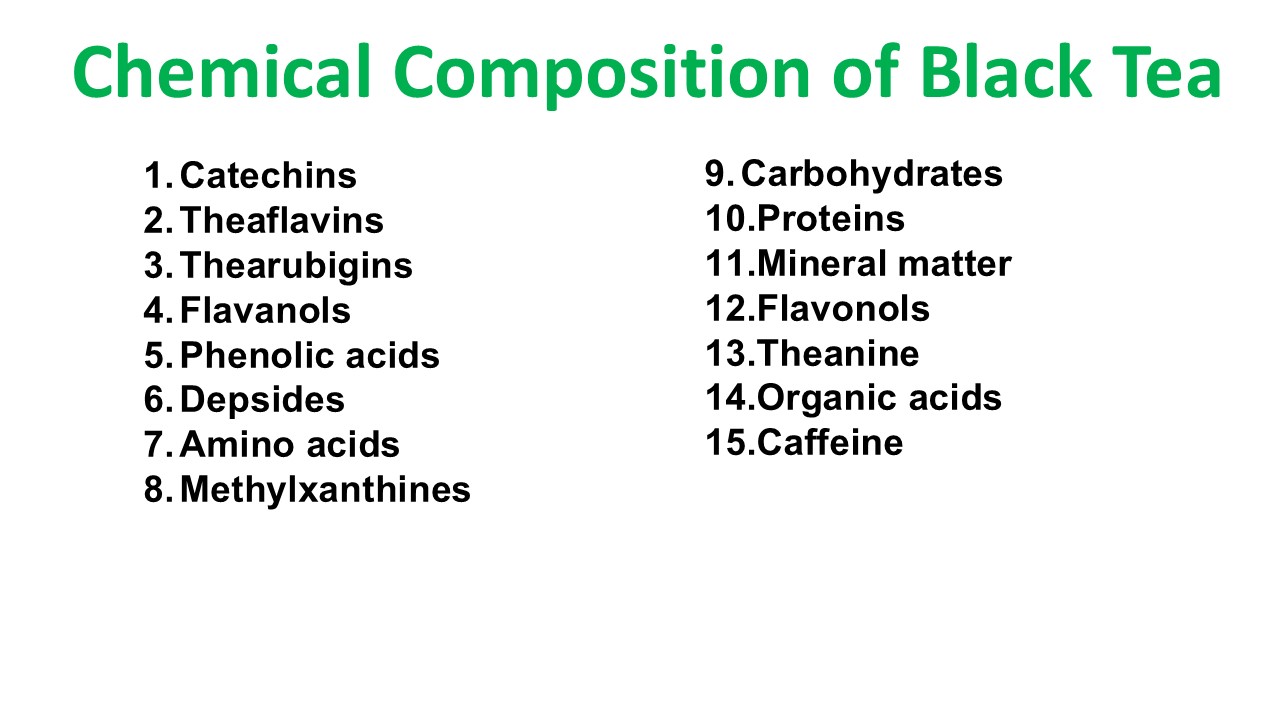
Black tea is made from the young shoots of the Camellia sinensis plant, which naturally contain a mix of chemicals like catechins, flavonoids, amino acids, and caffeine, and during processing—especially in the oxidation step—some of these, like catechins, change into other compounds like theaflavins and thearubigins, which are important because they affect how the tea looks, tastes, and feels; these chemical changes also make black tea different from green or white tea, and the caffeine, usually between 50 to 90 mg per cup, is what gives people the alert feeling after drinking it.
Health Benefits of Black Tea
Black tea has stuff called theaflavins and thearubigins—made when the leaves oxidize—that might help fight damage in your body from stress. It also has caffeine (about 50-90mg per cup), which can wake you up a bit but not as much as coffee. Drinking it regularly could be good for you, but it depends on the person. If caffeine bothers you or you have health issues, check with a doctor first.
Black tea does some useful things:
- It might help your heart by lowering bad cholesterol,
- the caffeine and L-theanine combo can sharpen your focus without making you jittery,
- its polyphenols act like food for your gut’s good bacteria, and
- the antioxidants help protect your cells. It’s not medicine, but it’s a smart addition to your day.
Medical Disclaimer: This article is for informational purposes only and not medical advice. Consult a healthcare professional before making dietary changes.
Can Black Tea Be Consumed with Milk and Sugar?
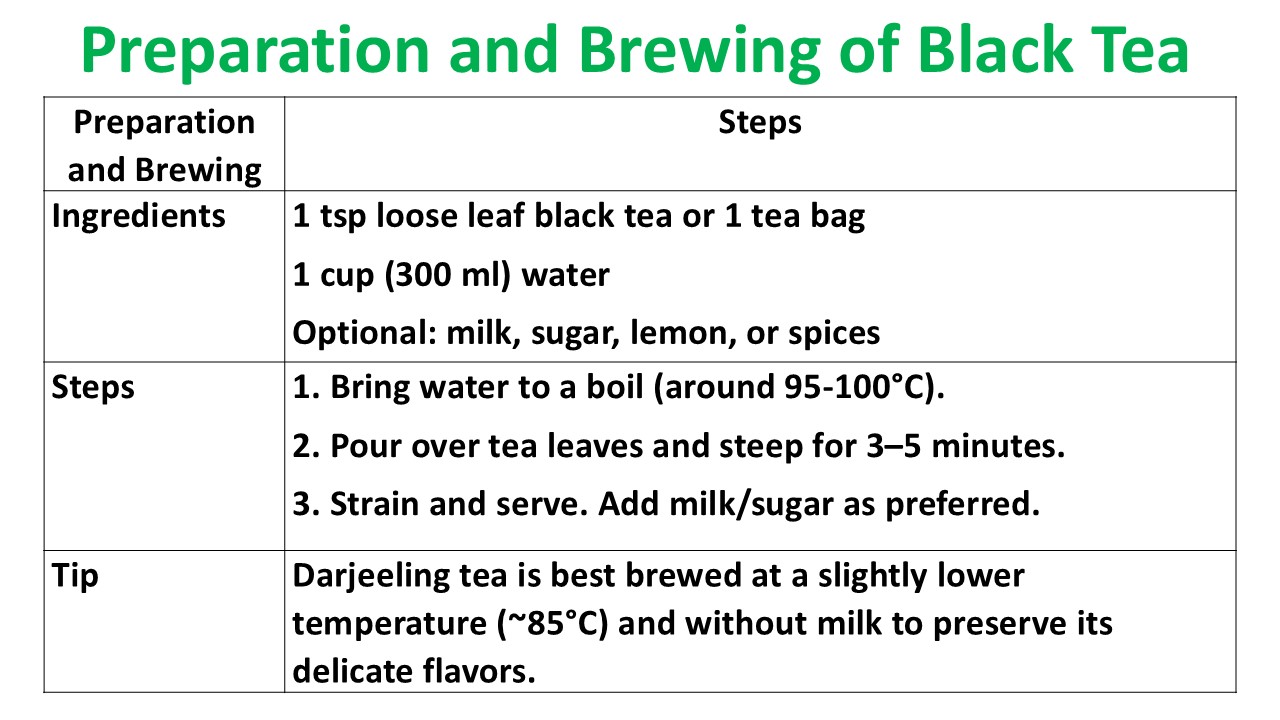
Black tea works fine with milk and sugar – that’s how most people drink it, especially in chai. Hearty teas like Assam taste good with milk, while delicate ones like Darjeeling usually don’t need it. Some tea experts skip the extras, but really, it’s your choice.
Conclusion
Black tea has been around forever because it just works – it tastes strong and might be good for you too. People from India to your kitchen table drink it hot, cold, sweet, or spicy. It’s not just a drink, it’s part of how people live. However you take it, that’s what makes it special.

I’m Kanka Adhikary, a small tea grower from the picturesque Dooars region of India. With deep roots in tea cultivation, I share real-life experiences, traditions, and stories that reflect tea’s journey from leaf to cup.
I also hold a B.Sc. degree in Medical Physiology. Through this blog, I aim to bring you closer to the world of tea—its culture, craftsmanship, and the everyday life of those who grow it.