
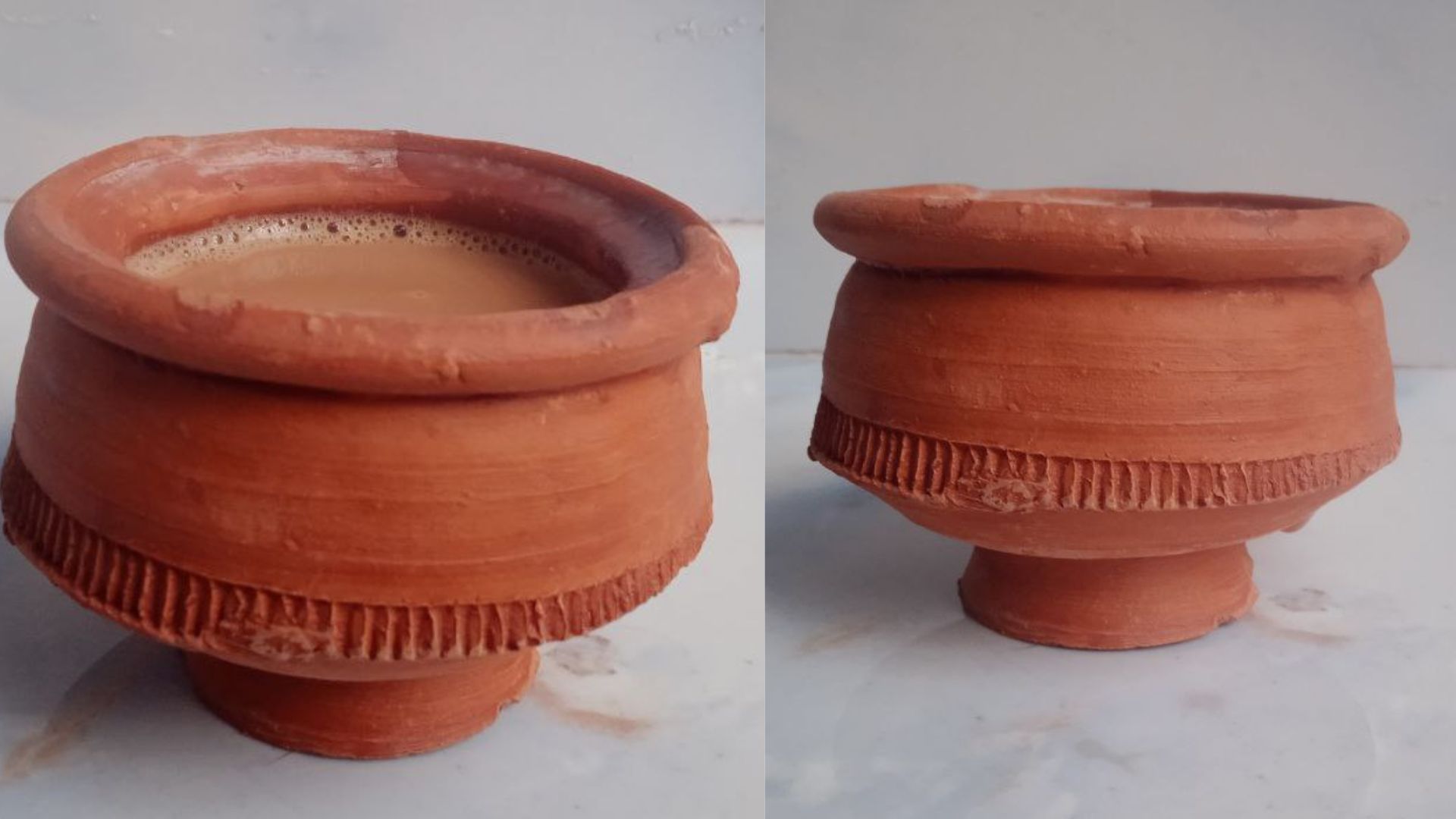
CTC tea, which means Crush, Tear, Curl, is not about a different kind of tea leaf but about how the leaves are processed to make tea that suits daily habits, especially in India. Instead of using whole leaves like in the older method, this process puts fresh tea leaves through machines with sharp rollers that crush, tear, and curl them at the same time, forming small pellets. These pellets help the tea brew faster and make a stronger drink, which works well for the way most people prepare their tea with milk and sugar. This process started in 1931 when W. McKertcher at the Amgoorie Tea Estate in Assam came up with a faster way to make tea that still kept the taste strong. The result was tea that brews quickly and works well with milk, which is how many people like their tea. CTC tea became popular not just because it’s easy to make but also because it gives the kind of strong flavor people expect from their daily cup, whether at home or in shops around the world.
CTC Tea Processing: From Garden to Your Cup
CTC tea processing is distinctive and efficient. Here’s a step-by-step overview of its transformation:
Plucking: The top two leaves and a bud are picked by hand because that part of the plant gives the best quality tea.
Withering: The leaves sit out to soften a little, letting some of the water dry up.
CTC Machine (Crush-Tear-Curl): This is where the leaves get shredded—rollers with teeth smash and twist them into tiny, even pieces.
Fermentation (Oxidation): The curled leaves are spread in a cool, humid environment to oxidize.
Drying: Heated air is used to halt oxidation and remove moisture.
Grading and Sorting: Granules are sorted by size—BP (Broken Pekoe), BOP (Broken Orange Pekoe), PD (Pekoe Dust), and more.
Packing and Dispatch: Packed in moisture-proof containers, the tea finally makes its way to markets and, ultimately, your cup.
Aroma and Taste of CTC Tea
CTC tea has a strong, bold flavor with a malty taste and a rich aroma that’s a bit earthy and woody. Unlike regular teas, CTC is not mild; it’s powerful and energizing. When brewed, especially with milk and sugar, it turns into the typical Indian chai-rich and comforting. CTC tea from the Terai-Dooars region is known for its strong, bright liquor and rich aroma, making it one of India’s most popular everyday teas.
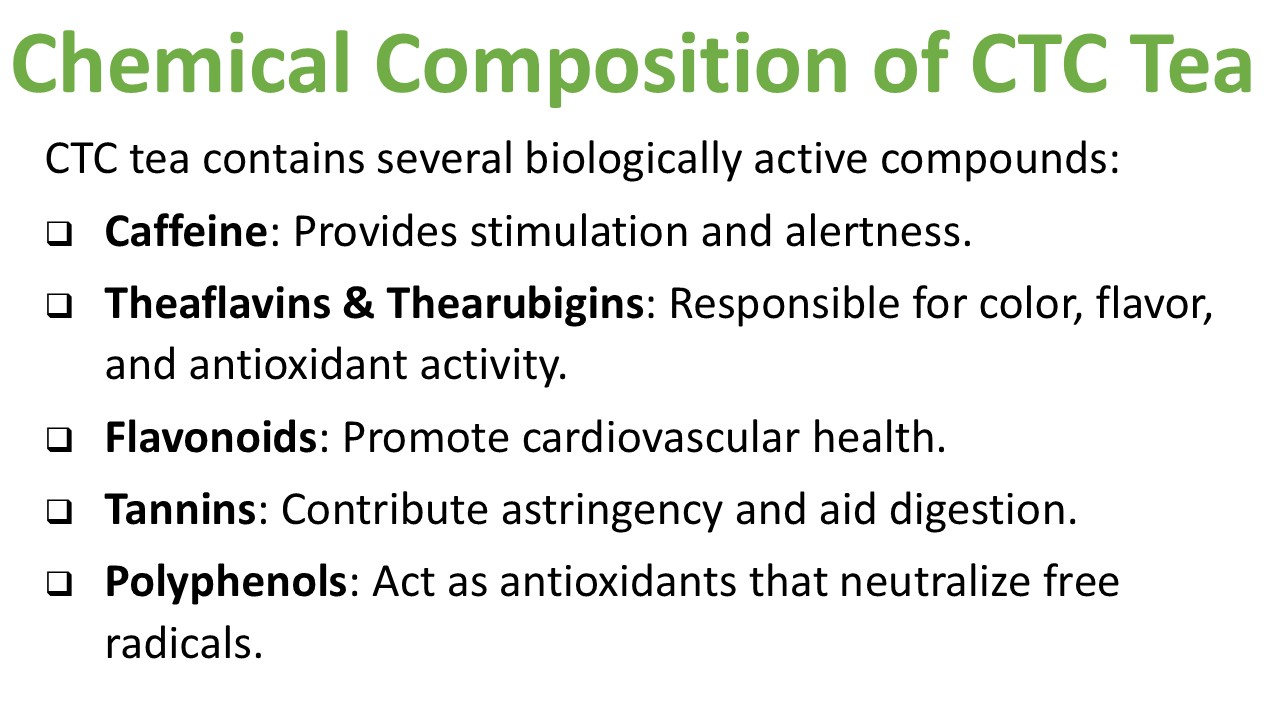
Chemical Composition of CTC Tea
India and CTC Tea
India is the largest producer and consumer of CTC tea in the world. Assam and Dooars are the main areas where the wet climate and fertile soil produce good-quality CTC. India’s chai culture, tea stalls (chai wallahs), and home teapots all show how important CTC is.
Types and Varieties of CTC Tea
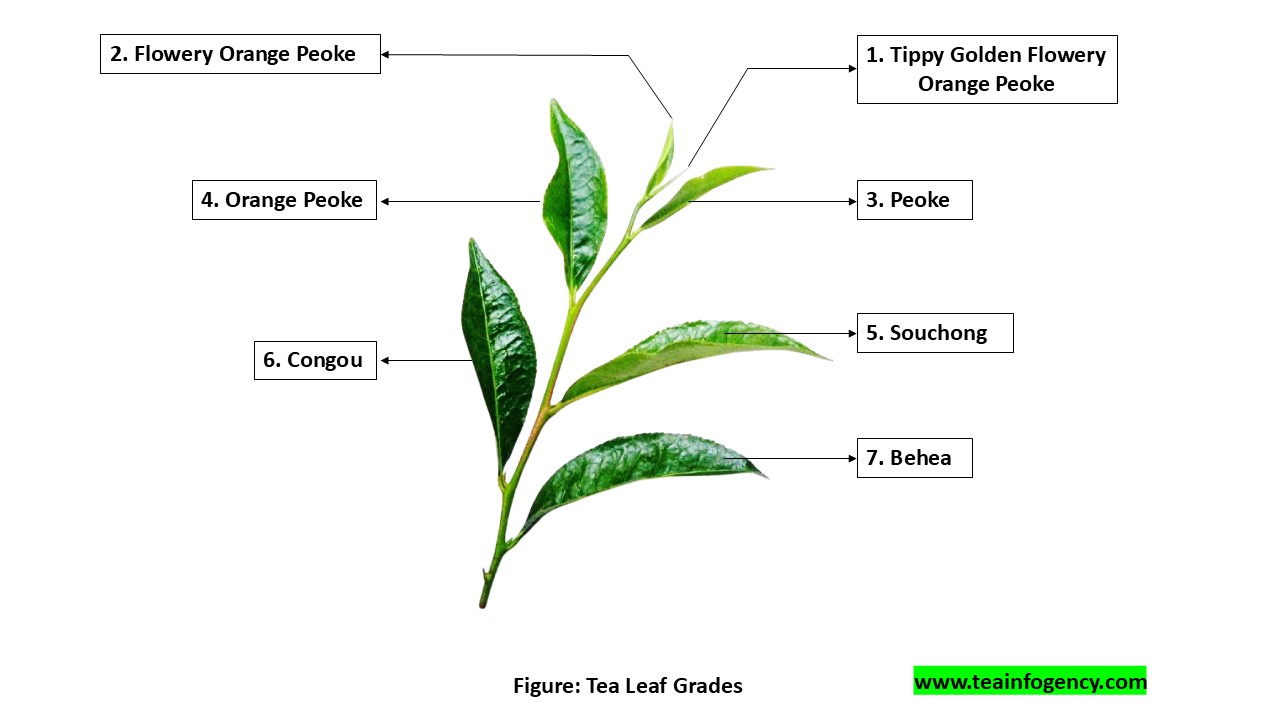
CTC tea is graded based on leaf size:
Broken Leaf (BP)
This type has larger CTC pellets that keep more of the leaf’s structure, making it more expensive and giving it a more balanced taste, with medium-sized granules. Medium-sized granules, balanced flavor.
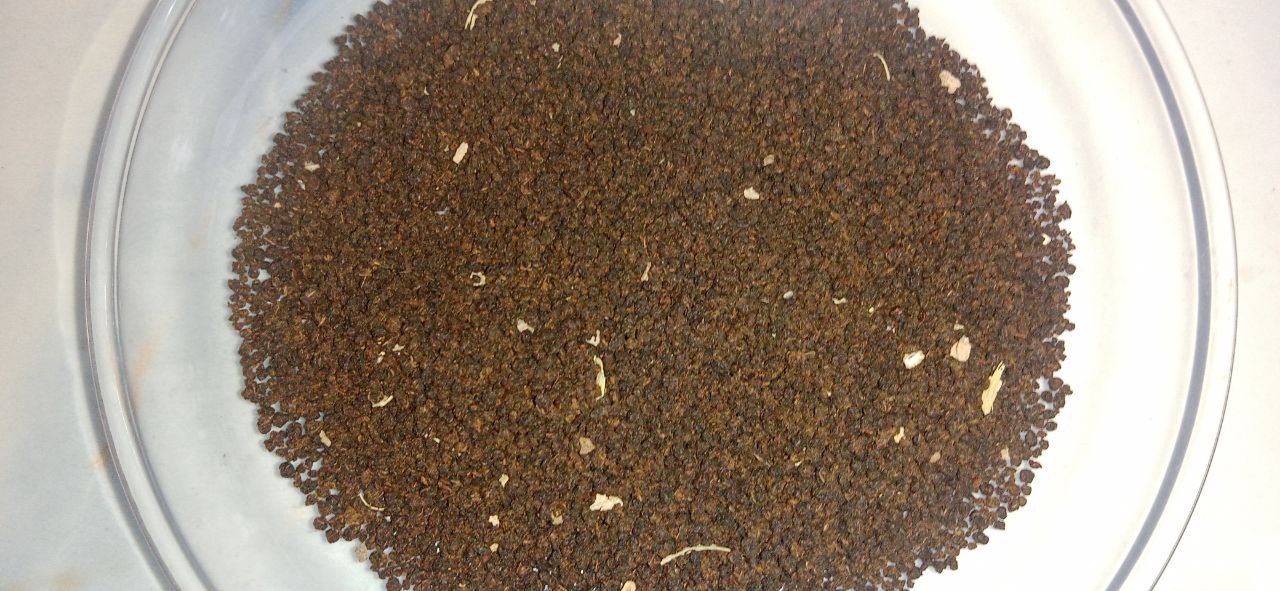
CTC Broken Leaf-Grade-
- Flowery Pekoe (FP)
- Broken Pekoe Souchong (BPS)
- Pekoe
- Broken Orange Pekoe (BOP)
- Broken Orange Pekoe Large (BOPL)
- Broken Orange Pekoe Small (BOPsm)
- Broken Pekoe (BP)
- Broken Pekoe Small (BPsm)
Fanning (PF)
These smaller pieces remain after higher grades are sorted and often find their way into tea bags. While less expensive than leaf grade, fannings still provide satisfactory flavor. Smaller particles, quick infusion (common in tea bags).
- Orange Fannings (OF)
- Pekoe Fannings (PF)
- Broken Orange Pekoe Fannings (BOPF)
Dust (D)
The smallest particles in the CTC production process, dust grade provides strong color and quick infusion but commands the lowest prices. It’s primarily used in tea bags and mass-market products. Finest particles, used in commercial tea blends.
- Pekoe Dust (PD)
- Dust (D)
- Churamani Dust (CD)
- Golden Pekoe (GD)
- Super Red Dust (SRD)
- Fine Dust (FD)
- Super Fine Dust (SFD)
Popular Varieties of CTC Tea
- Assam CTC – Strong, malty, and full-bodied.
- Darjeeling CTC – Lighter but brisk.
- Nilgiri CTC – Smooth and fragrant.
Preparation and Brewing of CTC Tea
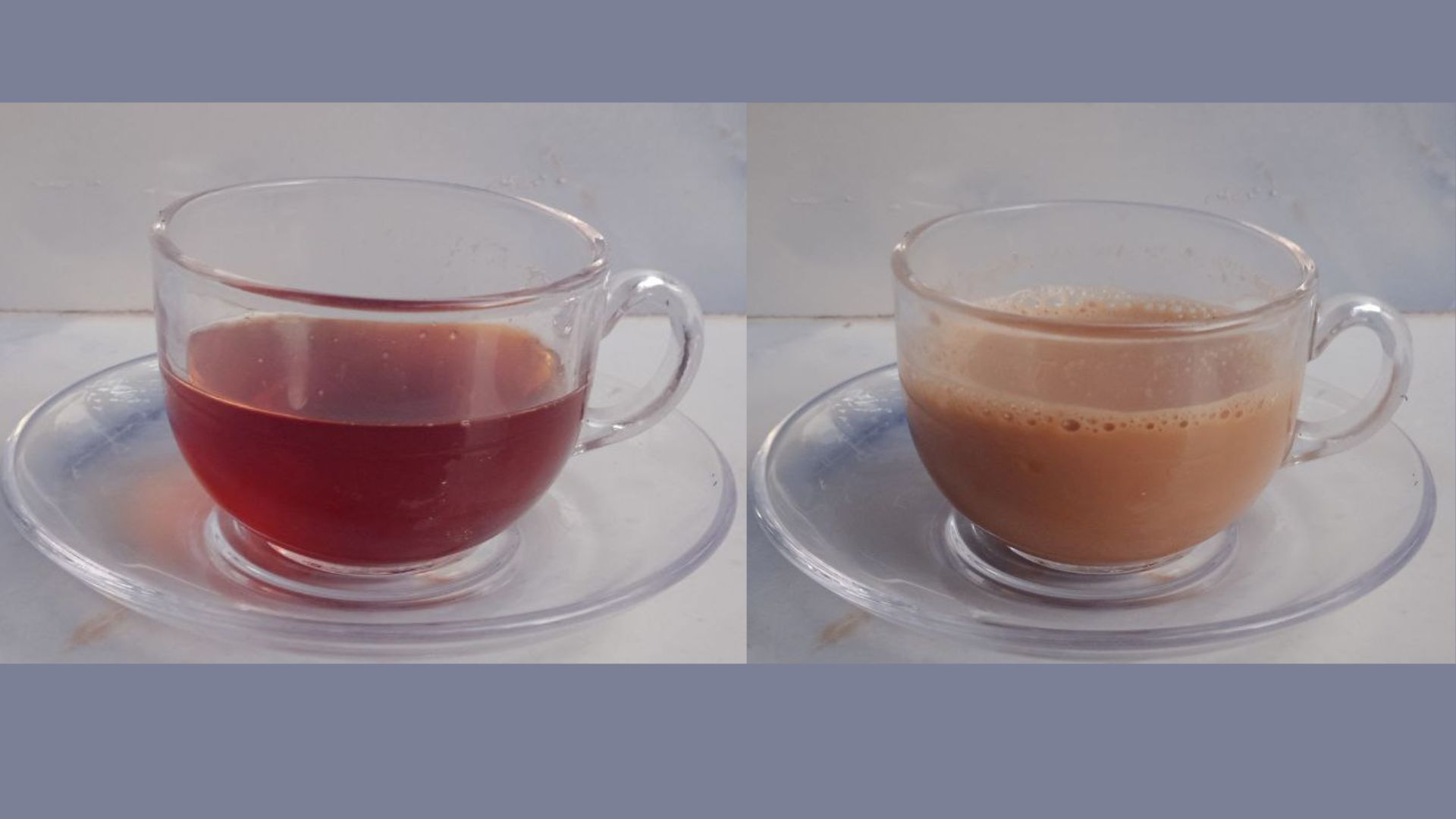
To make tea, boil one cup of water per person, add half a teaspoon of tea leaves, let it simmer for 2 to 3 minutes, mix in milk and sugar if you like, then strain and drink it hot.
Conclusion
CTC tea is an important part of how people in India drink tea every day, and because it’s strong, simple to make, and part of daily habits, it’s still one of the most common teas around.

I’m Kanka Adhikary, a small tea grower from the picturesque Dooars region of India. With deep roots in tea cultivation, I share real-life experiences, traditions, and stories that reflect tea’s journey from leaf to cup.
I also hold a B.Sc. degree in Medical Physiology. Through this blog, I aim to bring you closer to the world of tea—its culture, craftsmanship, and the everyday life of those who grow it.