
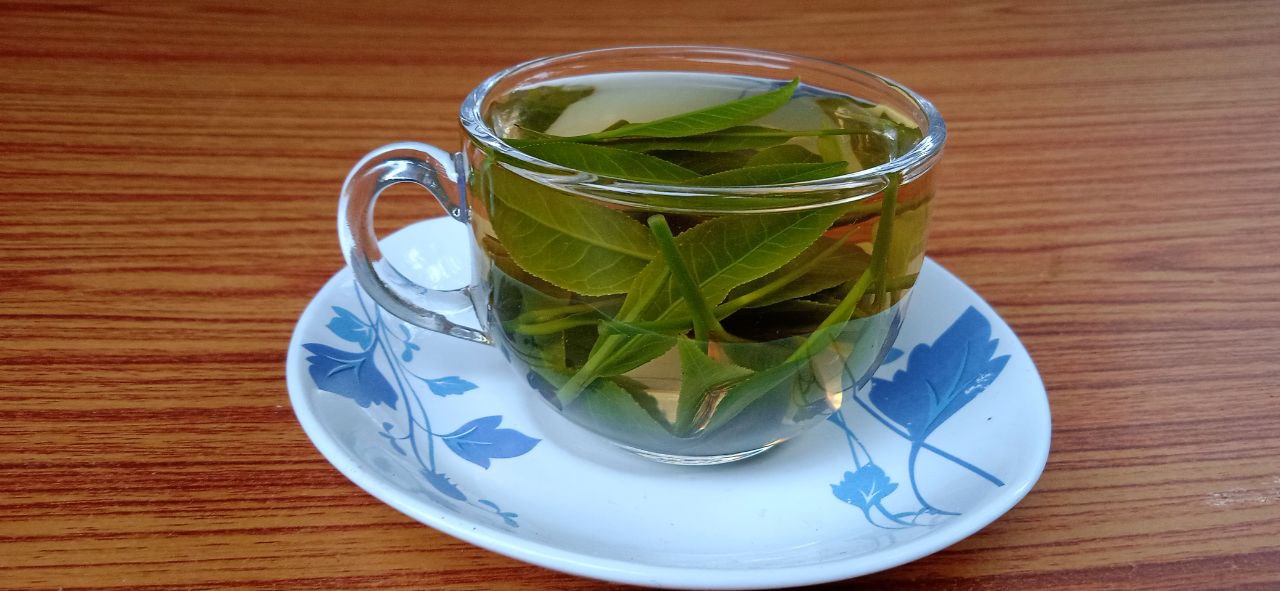
Green tea is a drink that many people choose because it tastes clean and is known to help with health in different ways. It started in China a long time ago and slowly became part of daily life in many other countries. The reason it’s not the same as black tea is because green tea is not heavily oxidized, which means it holds on to more of its natural parts like antioxidants and keeps a simpler, more natural flavor.
Tea Processing: From Garden to Your Cup
Green tea is made by following specific steps that stop oxidation so it can keep its original nutrients and taste.
Plucking – The top two leaves and a bud are picked by hand because that part of the plant gives the best quality tea.
Steaming or Pan-Firing – The leaves are heated quickly to stop oxidation, either by steaming in Japan or pan-firing in China.
As soon as the tea leaves are picked, they go through a process called heat fixation to stop oxidation caused by enzymes. This is done either by steaming, which is common in Japan, or pan-firing, a method used in China. The leaves get steamed for 1-2 minutes, which softens them and turns them olive green. The heat has to be perfect—if it’s too low, oxidation doesn’t stop, and if it’s too high, the leaves cook too much and lose their flavor. How heat is applied here is what mostly determines what the final tea will be like.
Rolling & Shaping – The leaves are rolled into different shapes, like needle-style, twisted, or flat.
Drying – The last dry makes it last longer and keeps it tasting good.
Aroma and Taste Profile
Green tea smells and tastes different based on its type and where it’s grown. The smell can be grassy, sweet, floral, like the sea, or nutty. The taste is usually fresh and plant-like, sometimes a bit dry or bitter, with a small hint of sweetness. If the tea is really good quality, it often ends with a smooth, savory taste.
Green Tea Varieties
| Category | Tea Name | Origin | Features / Appearance | Flavor / Notes | Processing Technique |
| Chinese Green Tea | Bi Luo Chun | Jiangsu Province | Spiral, snail-like leaf shape | Floral aroma, fine fruity taste | Pan-firing to balance flavor and delicacy |
| Da Fang | Anhui Province | Flat shape, similar to Longjing | Nutty aroma | Pressing technique during drying | |
| Chun Mee | Jiangxi Province | Curved, eyebrow-shaped leaves with dusty appearance | More acidic, less sweet | Widely cultivated, standard green tea processing | |
| Gunpowder | Ancient (Tang Dynasty) | Rolled into small pellets resembling gunpowder | Strong aroma, retains flavor well | Rolling technique (hand-rolled for high quality) | |
| Japanese Green Tea | Gyokuro | Japan | Grown in shade, deep green appearance | Sweet, umami-rich, low in tannins | Steamed, shaded before harvest to enhance chlorophyll |
| Sencha | Japan | Needle-shaped leaves, bright green color | Grassy, fresh, slightly astringent | Steamed, rolled, and dried | |
| Matcha | Japan | Fine green powder (stone-ground) from de-veined leaves | Rich, creamy, full-bodied, used in whisked tea preparations | Shade-grown, stems/veins removed, stone-ground | |
| Blended Green Tea | Genmaicha | Japan | Mixed with roasted brown rice; some rice pops like popcorn | Grassy with warm, toasty rice notes | Roasting brown rice, blended with bancha or sencha |
Green Tea in India
While India is famous for black teas like Assam and Darjeeling, green tea production is growing, especially in:
- Darjeeling – Light, floral, and delicate.
- Kangra (Himachal Pradesh) – Smooth and slightly sweet.
- Nilgiris – Fresh and slightly brisk.
Indian green teas are gaining recognition for their unique terroir-driven flavors.
Chemical Composition
| Component Category | Key Compounds / Elements | Functions / Effects | Additional Notes |
| Polyphenols & Catechins | 1. EGCG (Epigallocatechin gallate) 2. EGC (Epigallocatechin) 3. ECG (Epicatechin gallate) 4. EC (Epicatechin) | 1. Work as antioxidants 2. Give green tea its slightly bitter taste 3. May help with health benefits | These are found a lot in green tea and stay fresh because green tea isn’t oxidized much |
| Amino Acids | L-theanine | 1. Adds umami taste (savory) 2. Helps the body relax 3. Balances the caffeine effect | Found more in teas grown in the shade like Gyokuro; makes up a small part of the leaf |
| Caffeine & Methylxanthines | Caffeine (2–4% dry weight) | 1. Keeps you awake and focused 2. Adds to the tea’s flavor | Green tea has less caffeine than coffee or black tea |
| Volatile Compounds | 1. Aldehydes 2. Alcohols 3. Ketones 4. Terpenes | Create the smell of the tea (grassy, floral, fruity, etc.) | Different teas smell different depending on how and where they’re made |
Health Benefits
Green tea is linked to numerous health benefits:
- Boosts metabolism & aids weight management.
- Rich in antioxidants that fight free radicals.
- May improve brain function and reduce stress.
- Supports heart health and lowers cholesterol.
- May reduce the risk of certain cancers.
Medical Disclaimer: This article is for informational purposes only and not medical advice. Consult a healthcare professional before making dietary changes.
Preparation and Brewing
To brew the perfect cup:
- Water Temperature – 75–90°C (not boiling, to avoid bitterness).
- Tea Quantity – 1 tsp per cup (or as per preference).
- Steeping Time – 2–5 minutes (longer steeping can make it bitter).
- Multiple Infusions – High-quality green tea can be re-steeped 2–3 times.
Can You Consume Green Tea with Milk and Sugar?
Traditionally, green tea is consumed plain to appreciate its natural taste. However:
- Milk – Not recommended, as it can overpower flavor and reduce antioxidant absorption.
- Sugar/Honey – A little can be added if preferred, but best enjoyed without.
Conclusion
Green tea is more than just a beverage—it’s a lifestyle. Whether you’re sipping it for health, relaxation, or pure enjoyment, understanding its journey enhances every cup. With India stepping up in production and global awareness on the rise, the green tea revolution is just beginning to steep into the mainstream.
Tea Varieties – Click to Read More
| Tea Name | Read More |
| Bi Luo Chun | Read more |
| Da Fang | Read more |
| Chun Mee | Read more |
| Gunpowder | Read more |
| Gyokuro | Read more |
| Sencha | Read more |
| Matcha | Read more |
| Genmaicha | Read more |

I’m Kanka Adhikary, a small tea grower from the picturesque Dooars region of India. With deep roots in tea cultivation, I share real-life experiences, traditions, and stories that reflect tea’s journey from leaf to cup.
I also hold a B.Sc. degree in Medical Physiology. Through this blog, I aim to bring you closer to the world of tea—its culture, craftsmanship, and the everyday life of those who grow it.